11 Ways Old Drywall Can Lower Your Home’s Value
When it comes to maintaining your home's value, every detail counts. While many homeowners focus on aesthetics and major structural repairs, one often overlooked factor is the condition of your drywall. Old, damaged, or poorly maintained drywall can subtly, yet significantly, reduce the appeal and market value of your property. Below, we explore 11 key ways that aging drywall can negatively impact your home’s worth and how drywall companies can help!
1. Visible Cracks and Holes
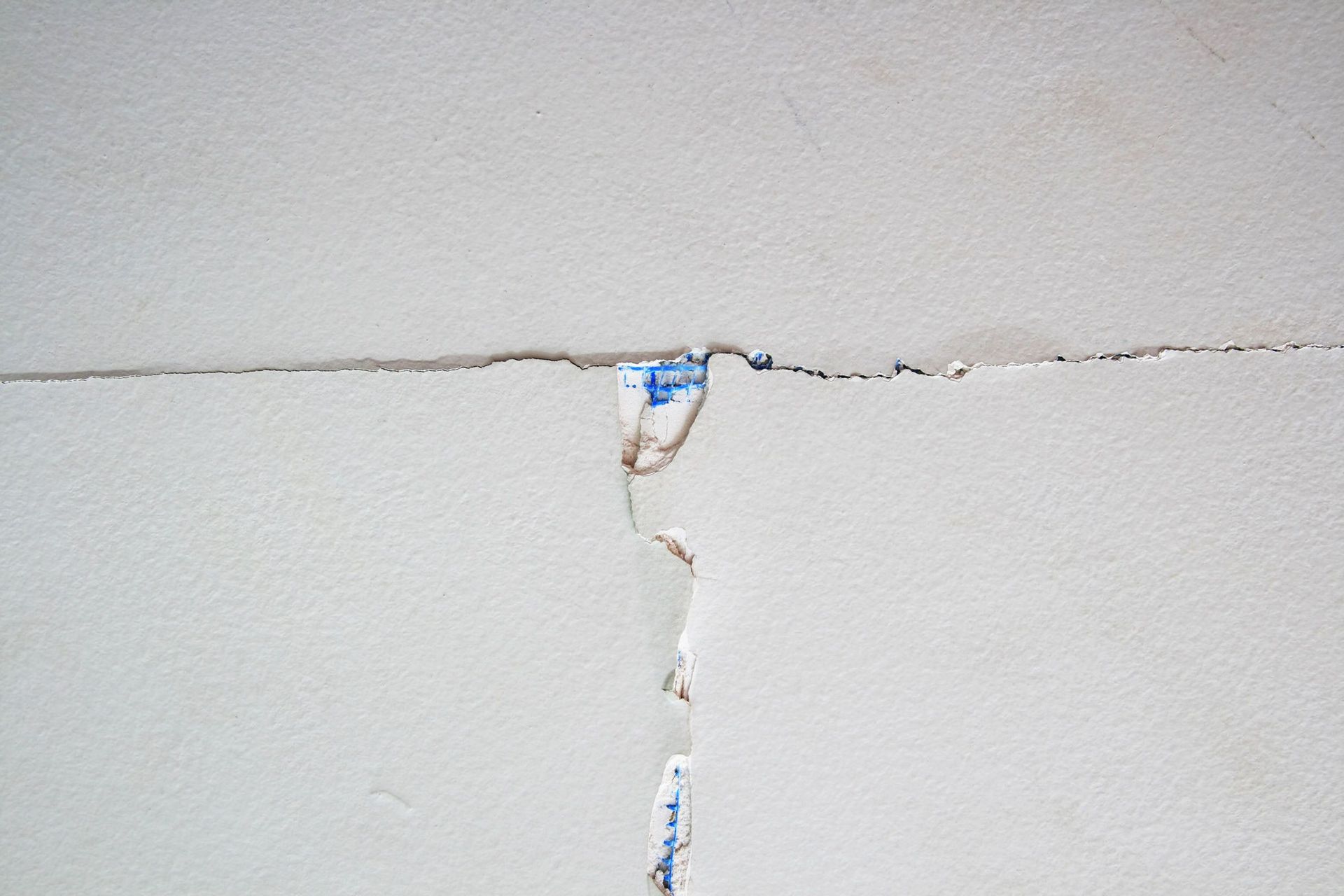
One of the most obvious signs of aging drywall is visible cracks and holes. Over time, drywall can develop fissures due to natural settling, humidity fluctuations, or structural movement. These imperfections are not only unsightly but can also signal to potential buyers that your home has underlying maintenance issues. Even small cracks may give the impression that the home hasn’t been cared for, lowering its perceived value.
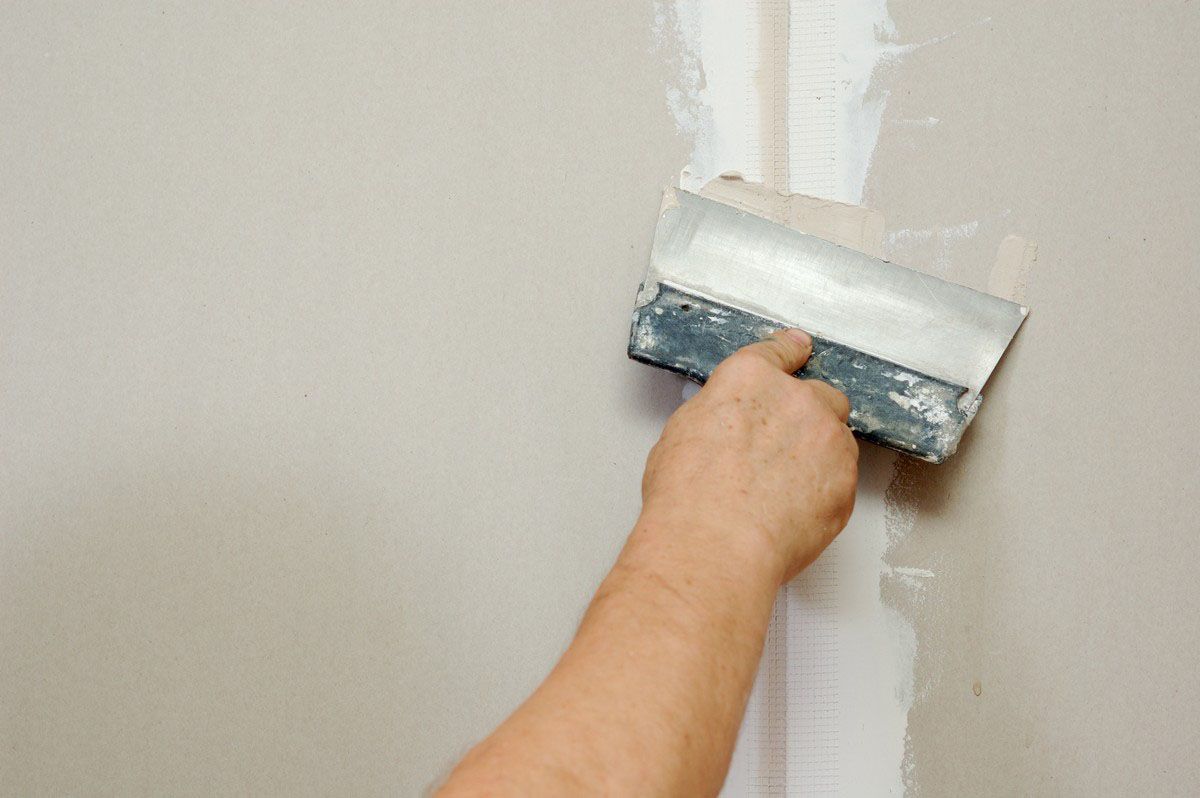
Drywall companies can repair these cracks and holes if they're widespread or indicate deeper structural problems. Homebuyers may factor the cost of repairs into their offer, often reducing the price they're willing to pay. In competitive real estate markets, any visual flaw can be a deciding factor between a quick sale and prolonged time on the market.
2. Stains and Water Damage
Old drywall is particularly susceptible to water damage. Leaks from roofs, plumbing, or windows can lead to stains, discoloration, and weakened wall material. Even minor water damage can create unsightly brown or yellow spots that detract from a room’s overall appearance. Prospective buyers are naturally cautious about potential mold growth or hidden water issues.
Water-damaged drywall can signal more serious issues, such as plumbing leaks or roof problems, which can be expensive to repair. This perceived risk often results in lower offers or demands for extensive repairs before purchase. Regular inspection and prompt repair of water damage are essential to maintaining your home's value.
3. Sagging or Warping
Drywall that sags or warps is a clear sign of aging or moisture exposure. Warping can occur due to prolonged humidity, water leaks, or structural settling. Sagging walls and ceilings not only look unattractive but also raise red flags for buyers regarding the home’s overall integrity.
With the help of drywall companies, sagging drywall can be repaired. It may involve replacing sections of drywall or addressing the underlying structural or moisture issues. Homes with visible warping often appear less well-maintained, which can reduce the sale price and extend the time it takes to sell.
4. Mold and Mildew Growth
Old drywall, especially in damp areas like bathrooms or basements, can develop mold and mildew. Even small patches can be harmful to indoor air quality and pose health risks. Mold is often difficult to completely remove from drywall, and its presence can make buyers wary of potential long-term problems.
Visible mold can drastically reduce a home's value, as buyers may anticipate significant remediation costs. Moreover, the perception of poor home maintenance due to mold issues can discourage offers altogether. With the assistance of drywall companies, preventing mold by addressing leaks and maintaining proper ventilation is crucial.
5. Crumbling Edges and Corners
Over time, drywall edges and corners can crumble due to impact, moisture, or natural wear and tear. This subtle deterioration can make rooms look tired and neglected. Corners are particularly prone to damage, as they are high-traffic areas and more exposed to bumps and abrasions.
Crumbling drywall edges not only detract from aesthetics but can also signal to buyers that the home may require additional repairs. Replacing or repairing damaged corners and edges enhances the visual appeal and helps maintain the home's market value.
6. Outdated Wall Texture
Wall textures from previous decades, such as popcorn or heavily stippled finishes, can make a home feel dated. Old drywall may also have inconsistent texture due to patching and previous repairs. Modern buyers often prefer smooth walls or contemporary finishes, so outdated textures can negatively impact their perception of the home.
Updating wall texture can be a relatively simple renovation by drywall companies, but many homeowners overlook it. Homes with modern, smooth walls tend to sell faster and at higher prices, highlighting the importance of maintaining updated drywall aesthetics.
7. Peeling Paint or Wallpaper
Old drywall may struggle to hold paint or wallpaper, resulting in peeling or bubbling finishes. This issue is not only unattractive but also suggests underlying problems such as moisture or poor preparation of the walls. Buyers often associate peeling paint with deferred maintenance.
Repainting or re-wallpapering over old, damaged drywall without proper repairs is a temporary solution that may not satisfy discerning buyers. Ensuring walls are smooth and properly prepped before painting or wallpapering is key to maximizing appeal and value.
8. Reduced Insulation Efficiency
Drywall works in conjunction with insulation to help maintain energy efficiency. Old or damaged drywall can compromise the effectiveness of insulation, leading to drafts, uneven temperatures, and higher utility bills. Modern buyers are increasingly aware of energy efficiency and may consider homes with compromised insulation less desirable.
Drywall companies can replace old drywall and ensure proper insulation to enhance comfort and reduce energy costs, making the home more attractive. Energy-efficient upgrades often translate into higher resale value, emphasizing the hidden cost of neglecting drywall maintenance.
9. Difficulty with Home Repairs
Old drywall can make renovations or repairs more challenging. Whether installing new electrical wiring, plumbing, or fixtures, aged or brittle drywall is more likely to crack, crumble, or fail during work. Contractors may charge more for labor when dealing with problematic walls, which can impact the home’s value indirectly.
Buyers considering renovations may see old drywall as an obstacle, potentially leading them to offer less or walk away. Ensuring drywall is in good condition simplifies future upgrades and protects the home’s perceived value.
10. Lower Curb Appeal and Marketability
While drywall is an interior feature, it contributes significantly to the overall impression of your home. Rooms with smooth, clean walls feel newer, brighter, and more inviting. Conversely, old or damaged drywall can create a sense of neglect that extends beyond individual rooms.
First impressions matter in real estate, and interior condition heavily influences buyers’ perception. Homes with outdated or damaged drywall may take longer to sell and often sell for less, emphasizing that maintaining drywall is not just about aesthetics—it’s about marketability and value.
11. Hidden Structural Issues
Old drywall can sometimes conceal more serious structural problems. Settling, shifting foundations, or termite damage may not be immediately visible behind aging walls. Buyers who uncover these hidden issues during inspection may reduce their offers significantly or request extensive repairs before closing. Even minor hidden problems can create a perception that the home is poorly maintained.
Addressing drywall issues proactively, such as hiring drywall companies to replace damaged panels or inspect for hidden damage, can prevent small problems from turning into costly surprises. By ensuring that walls are not just visually appealing but structurally sound, homeowners protect both the safety and value of their property.
Old drywall might seem like a minor issue compared to other home maintenance concerns, but its impact on your home's value is substantial. With the global drywall industry expected to grow to $72.47 billion by 2032, according to Expert Market Research, it's important to schedule regular inspections and timely repairs to preserve your home’s appeal and market worth. As one of the best drywall companies in the Kansas City metro area, turn to our team at Rock It Drywall LLC for quality commercial and residential drywall services. Request a free estimate today!
Share On: